
Agriculture Logistics
Agricultural shippers manage seasonal volume swings, dispersed suppliers, and tight harvest timelines that demand speed and flexibility.ShipperGuide supports agriculture networks with bulk shipment creation, automated tendering, and real-time visibility, helping teams move product efficiently across locations and seasons.


How ShipperGuide Helps Agriculture Companies
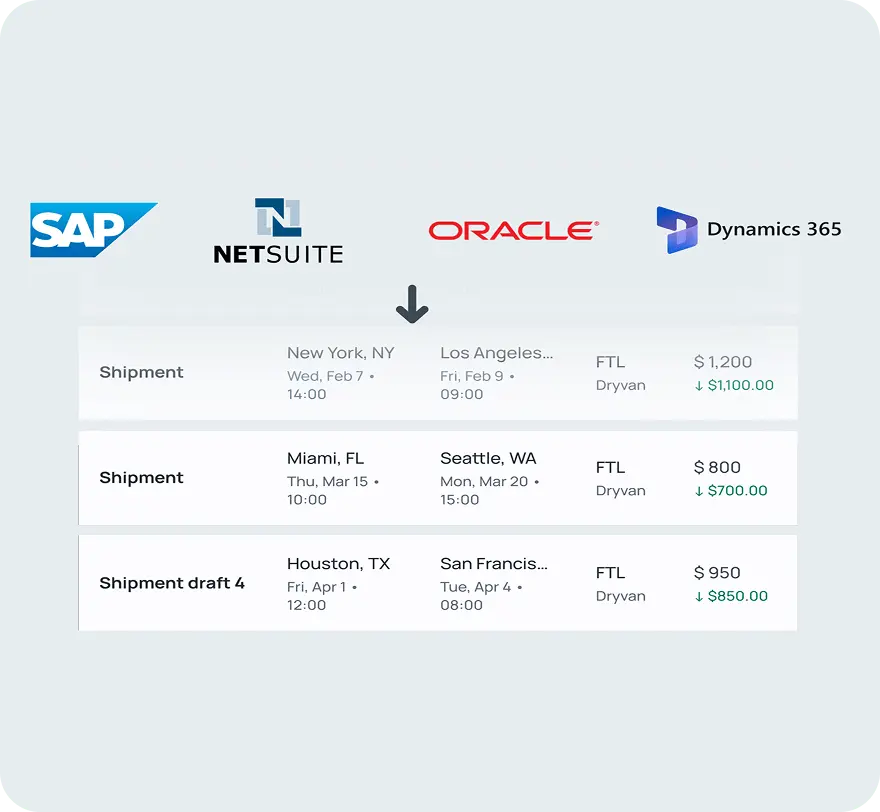
Centralized Platform Across All LocationsUnites the entire logistics network with single technology while maintaining flexibility for local operations.
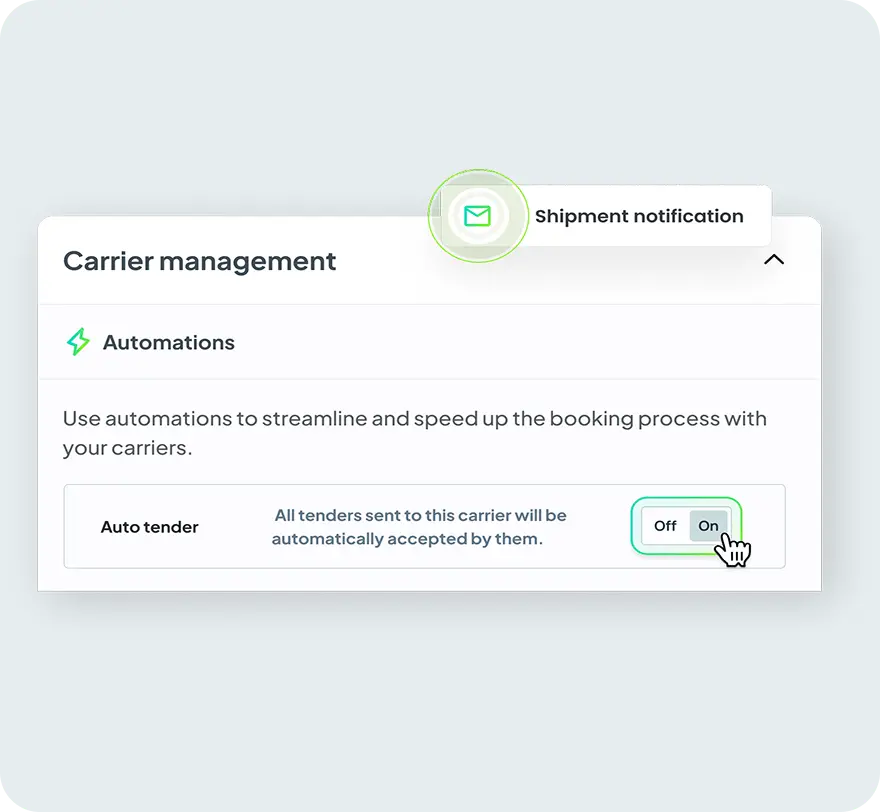
Automated Shipment Creation & TenderingSelect multiple shipments, tender them all to one carrier, and have them booked instantly - no more one-by-one processing.
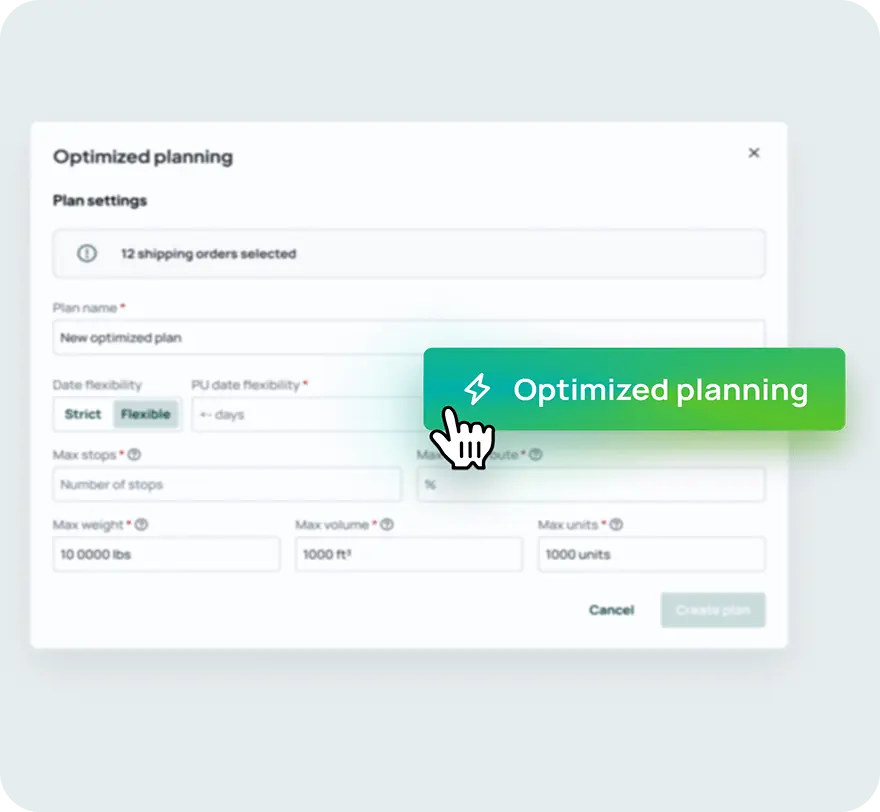
Planning & Load OptimizationConsolidates multiple orders into fewer, more efficient shipments to reduce costs during the offseason and maximize trailer utilization.
CUSTOMER CASE
How Scotts Miracle-Gro Transformed Multi-Plant Logistics

“Before, dispatchers were creating shipments one by one in SAP. Now, they can select 20 shipments, tender them all to one carrier, and have those shipments booked instantly. It's definitely a lot faster.”
Anna MogielnickiSenior Transportation Analyst, Scotts Miracle-Gro
Customer Challenges
- Decentralized transportation management across dozens of plants
- Manual booking and tendering consumed dispatcher time
- Difficulty managing small, non-EDI carriers
- Seasonal spikes requiring additional resources
- Limited corporate visibility across locations
Solution
- ShipperGuide TMS + Opendock deployed across all plants
- Automated bulk tendering replaced one-by-one SAP entry
- Integrated dock scheduling reduced congestion
- Lane-level RFPs improved carrier matching
Results
- 94% of all deliveries tendered through ShipperGuide TMS
- 50% reduction in seasonal dispatch staff at multiple sites
- Hours saved daily through bulk shipment tendering
- Originally temporary solution – proved so effective it became permanent
- Network-wide standardization with local flexibility maintained